Finance Ministries are shifting from climate plans to delivery, according to a new climate action statement from a coalition of 103 Finance Ministries
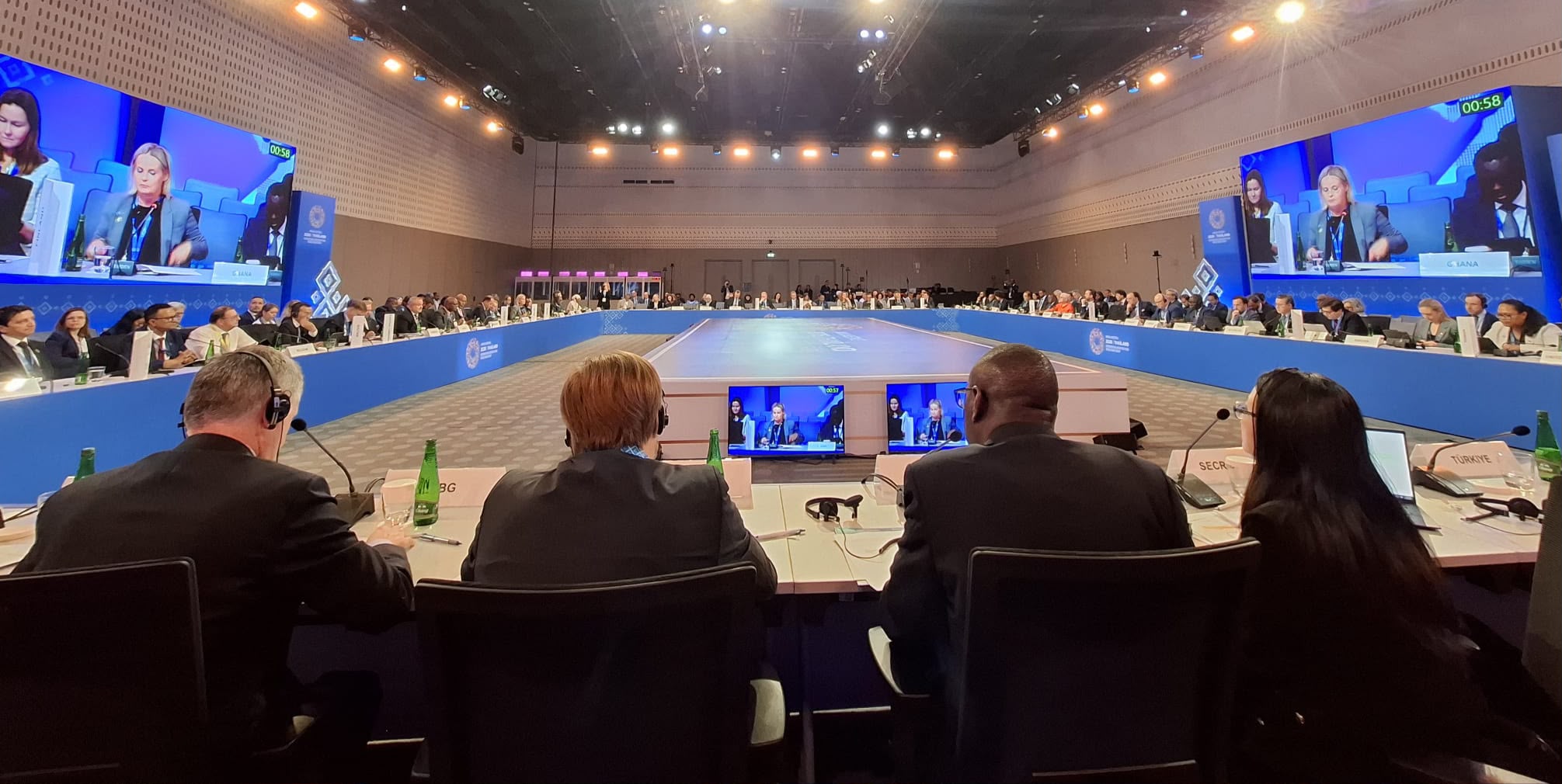
Bangkok, 14 October 2026: Many Finance Ministries are building climate considerations into their core work, but they are doing so under growing strain from energy price shocks, geopolitical tensions and limited fiscal space, according to the 2026 Climate Action Statement published today by the 103-member Coalition of Finance Ministers for Climate Action.
Higher fuel and electricity bills, persistent inflation and rising debt burdens are forcing ministries to decide how much to spend on shielding households and businesses now, without eroding the fiscal space and investment incentives needed for longer-term climate and resilience goals. Managing these trade-offs is placing greater technical and institutional demands on Finance Ministries.
Despite these constraints, many ministries are turning climate objectives into concrete measures: disaster-risk financing to prepare for climate shocks, sustainable finance frameworks to guide investment, carbon pricing, and tools to identify and manage climate-related risks to public finances.
"For many economies, the challenge is not a lack of priorities, but how to finance those priorities, improve implementation efficiency, break down silos, and mobilize private-sector financing," said Henry Musasizi, Minister of Finance, Planning and Economic Development, Uganda. "Building resilient economic systems requires working together towards a common goal and combining our efforts. That is precisely why we are all here together in this coalition."
Planning ahead for climate disasters: Finance Ministries are moving beyond reliance on post-disaster public spending and adopting disaster-risk financing strategies that set out in advance how risks are retained, shared and transferred. By combining contingency funds, contingent credit, insurance and reinsurance, catastrophe bonds and regional risk pools, these approaches help reduce fiscal vulnerability and ensure money reaches affected areas quickly when disasters strike.
Climate resilience is also being built into public financial management and budgeting, including through green budgeting, while insurance and risk transfer are increasingly linking resilience, financial stability and long-term development.
Blended finance is being used to mobilize private capital for adaptation, supported by stronger policy and regulatory frameworks. Some ministries are pairing this with reforms in public investment management, natural capital valuation and climate-related fiscal planning.
For a growing number of ministries, adaptation is becoming part of fiscal risk management rather than a separate environmental concern.
Responding to global rules: Cross-border carbon pricing instruments and evolving sustainability disclosure requirements are prompting ministries to examine their implications for competitiveness, trade, investment and access to international markets. Ministries are weighing both the risks, including leakage and spillover effects, and the opportunities for investment and innovation, while managing distributional and affordability impacts at home.
Many are strengthening climate-related disclosure frameworks and wider sustainable finance reforms, often aligned with international standards, while seeking to keep requirements practical, consistent and decision-useful. A recurring priority is understanding how global policy developments affect domestic economies, and building the institutions needed to attract private capital.
From policy instruments to integrated economic strategies: Climate instruments are increasingly designed to work together rather than as standalone policies. Green budgeting is shaping public investment choices. Sustainable taxonomies help direct capital to priority sectors, and disclosure standards improve the information available to investors. Carbon pricing is being linked to industrial transition and competitiveness policy, and adaptation finance is being built into fiscal risk management.
"The evolution of green budgeting reflects a broader shift in how governments make decisions. Climate considerations are increasingly becoming part of mainstream economic and fiscal policymaking, helping us better align public resources with long-term resilience and sustainable growth," said Tomislav Ćorić, Deputy Prime Minister and Minister of Finance, Croatia.
Challenges remain: Many countries continue to face constraints related to institutional capacity, access to finance, data availability, and coordination across government. Even so, there is a gradual shift towards implementation. There is no single pathway: different economic structures, income levels, climate vulnerabilities, and policy priorities require different approaches. What unites Coalition members is a commitment to strengthening economic resilience, mobilizing investment, and integrating climate considerations into the institutions and policies that shape long-term growth.
About the Coalition of Finance Ministers for Climate Action
The Coalition of Finance Ministers for Climate Action supports Finance Ministries in embedding climate considerations into their core functions and mobilizing finance to close the green financing gap. By facilitating the exchange of experiences, lessons learned, and emerging practices across diverse national contexts, the Coalition helps Finance Ministries strengthen their institutional capabilities and move from policy ambition to implementation, supporting resilient and sustainable economic development.