Global Deputies In-Person Meeting in Kampala, Uganda, from 9-11 February 2026.
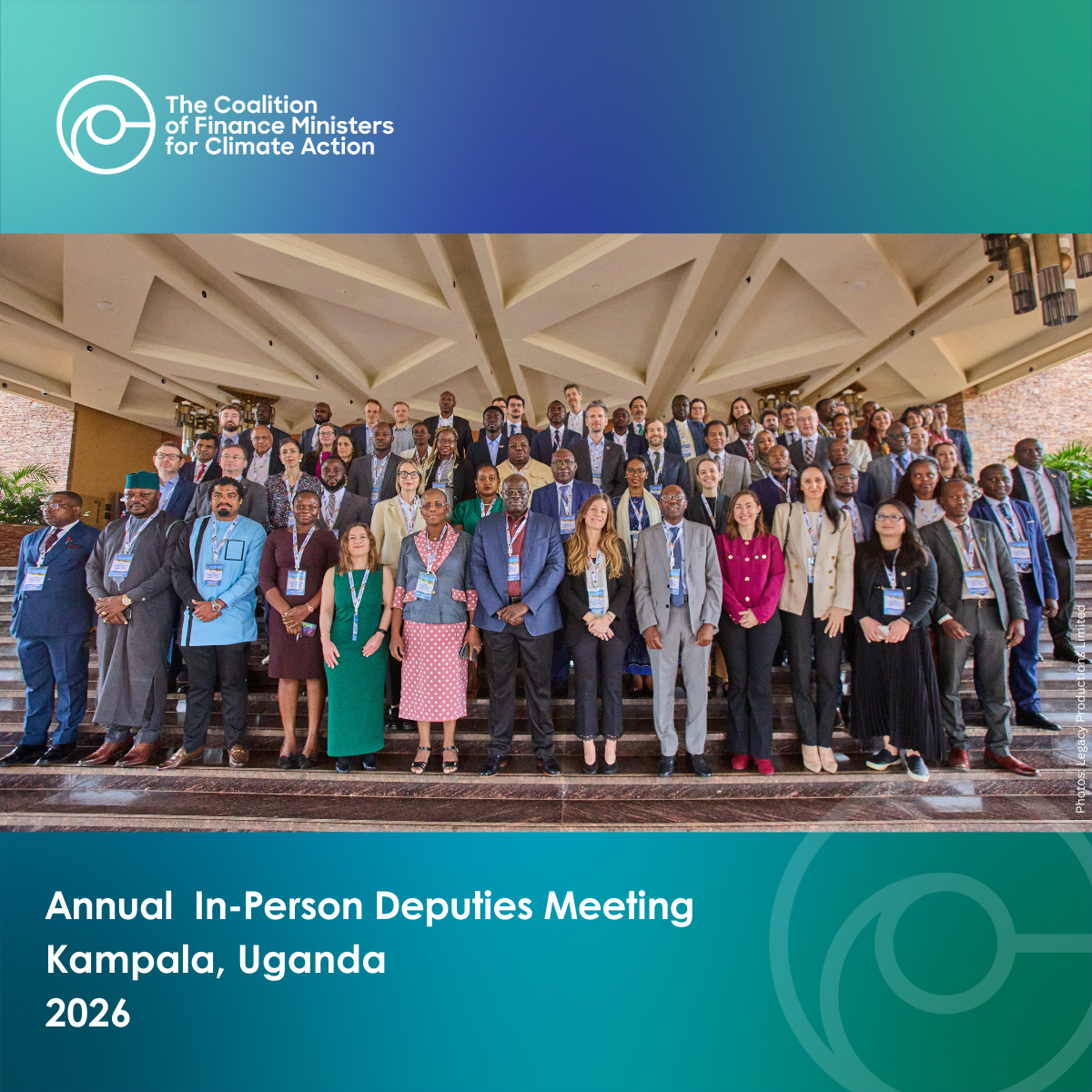
Between 9 and 11 February 2026, the Coalition of Finance Ministers for Climate Action convened its annual in‑person Deputies Meeting in Kampala, Uganda, bringing together nearly 100 participants representing finance ministries from all regions and twelve Institutional Partners. Hosted by the Government of Uganda, the meeting marked a pivotal moment for the Coalition as it took stock of progress in 2025 and laid the groundwork for a focused, delivery‑oriented Strategic Work Program for 2026–2028.
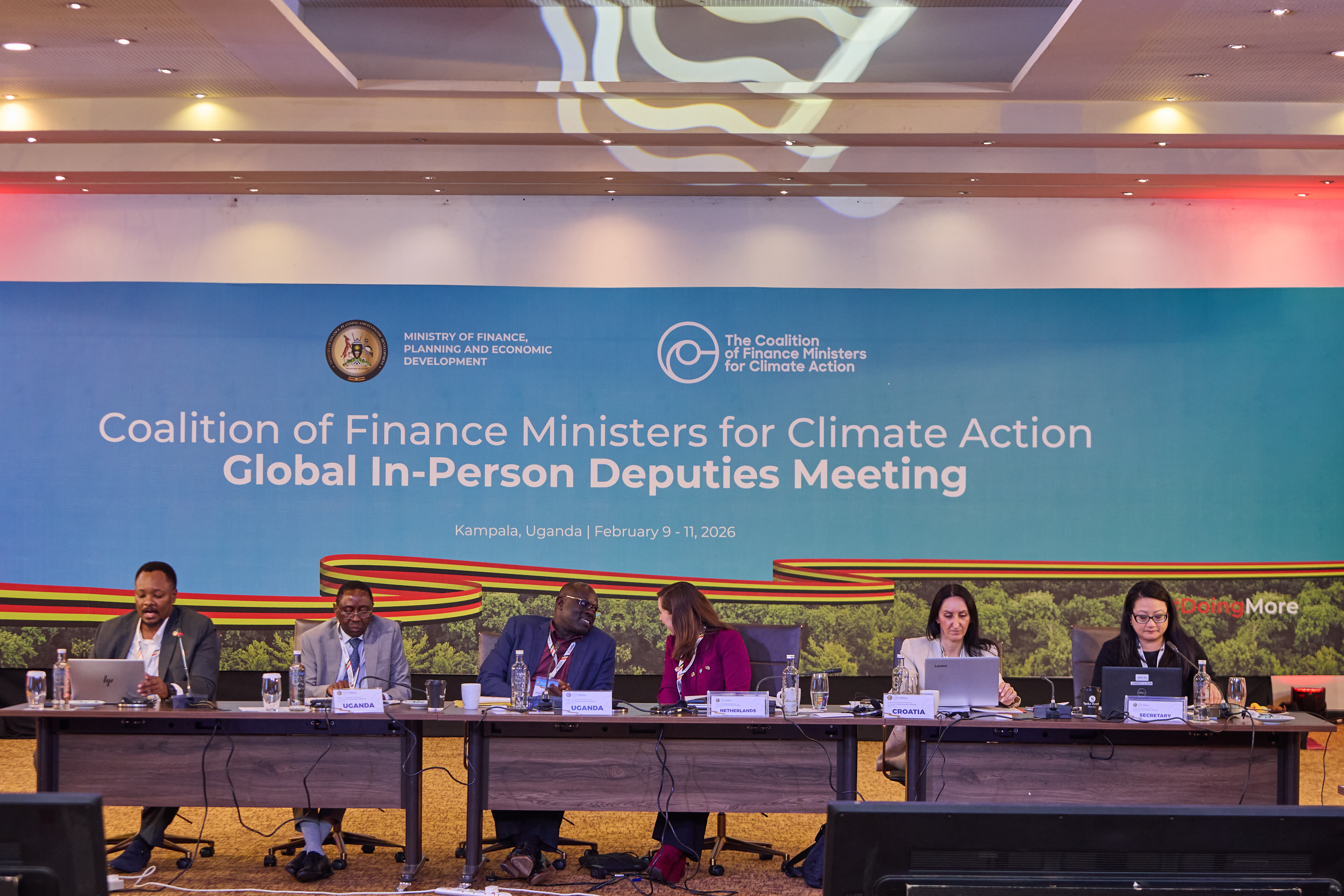
Day 1
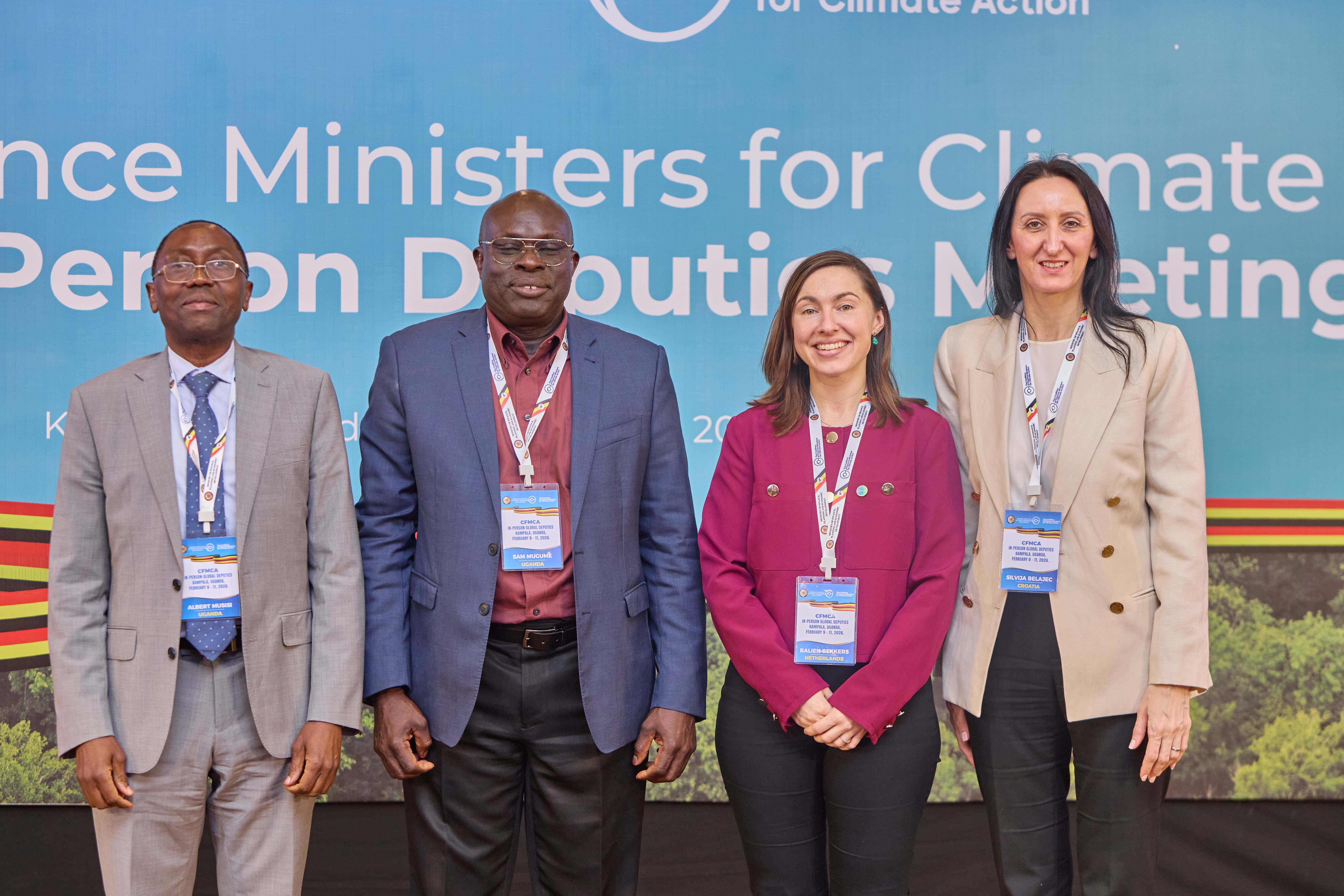
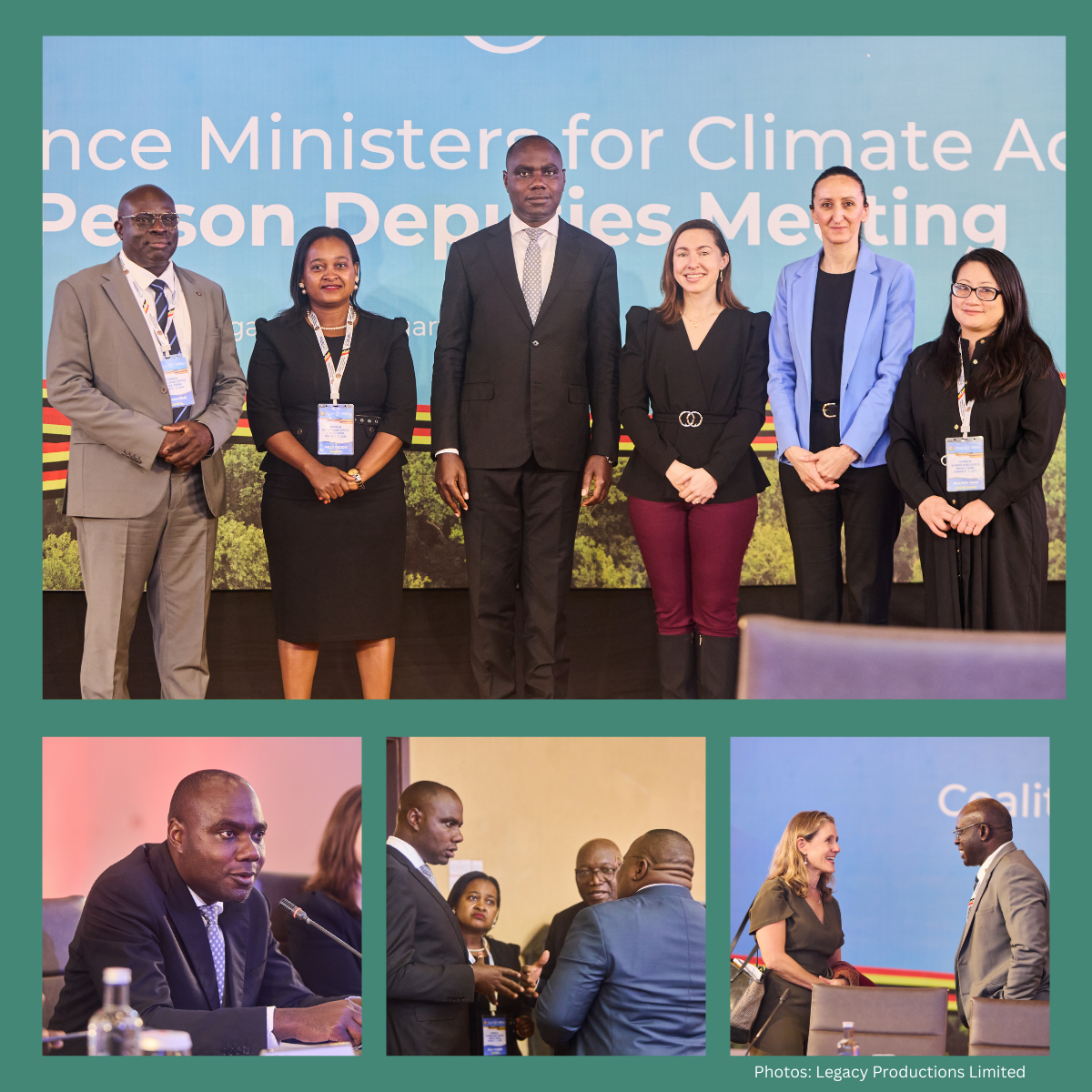
Opening the meeting, Moses Kagwa, Director of Economic Affairs at the Ministry of Finance, Planning and Economic Development, Uganda, set out two core objectives: to assess progress against the Coalition’s 2025 priorities and to prepare members for the next three‑year phase of implementation. He emphasized the central role of ministries of finance in embedding climate action into core economic policy—highlighting that climate considerations must be fully integrated into fiscal planning, investment decisions, and macroeconomic frameworks if they are to deliver durable results.
 |
|
Throughout plenary sessions, breakout discussions, and country presentations, members confirmed a shared understanding that climate action must be framed as a driver of economic growth, sustainable development, and fiscal opportunity. Participants stressed that well‑designed climate policies can support productivity, mobilize investment, strengthen resilience, and deliver sustainable development outcomes, particularly in developing and climate‑vulnerable economies where climate shocks, debt pressures, and fiscal constraints increasingly converge.
Discussions reflected a clear evolution from ambition‑setting to delivery and implementation. Members emphasized the importance of practical toolkits, applied case studies, and peer‑to‑peer exchange as core Coalition delivery mechanisms: tools that enable ministries of finance to translate strategies into reforms that are funded, sequenced, and politically feasible. Strong attention was given to the political economy and social impacts of climate action, recognizing that durable reform requires public support and careful management of distributional effects.
Priority areas included strengthening country platforms to align climate investment with national development priorities; integrating climate risks into fiscal and debt frameworks; scaling adaptation and resilience financing; and mobilizing private capital through clear governance arrangements, blended finance instruments, and predictable policy signals. Regional platforms were highlighted as especially effective vehicles for tailoring support, accelerating implementation, and sharing applied experience across similar country contexts. | 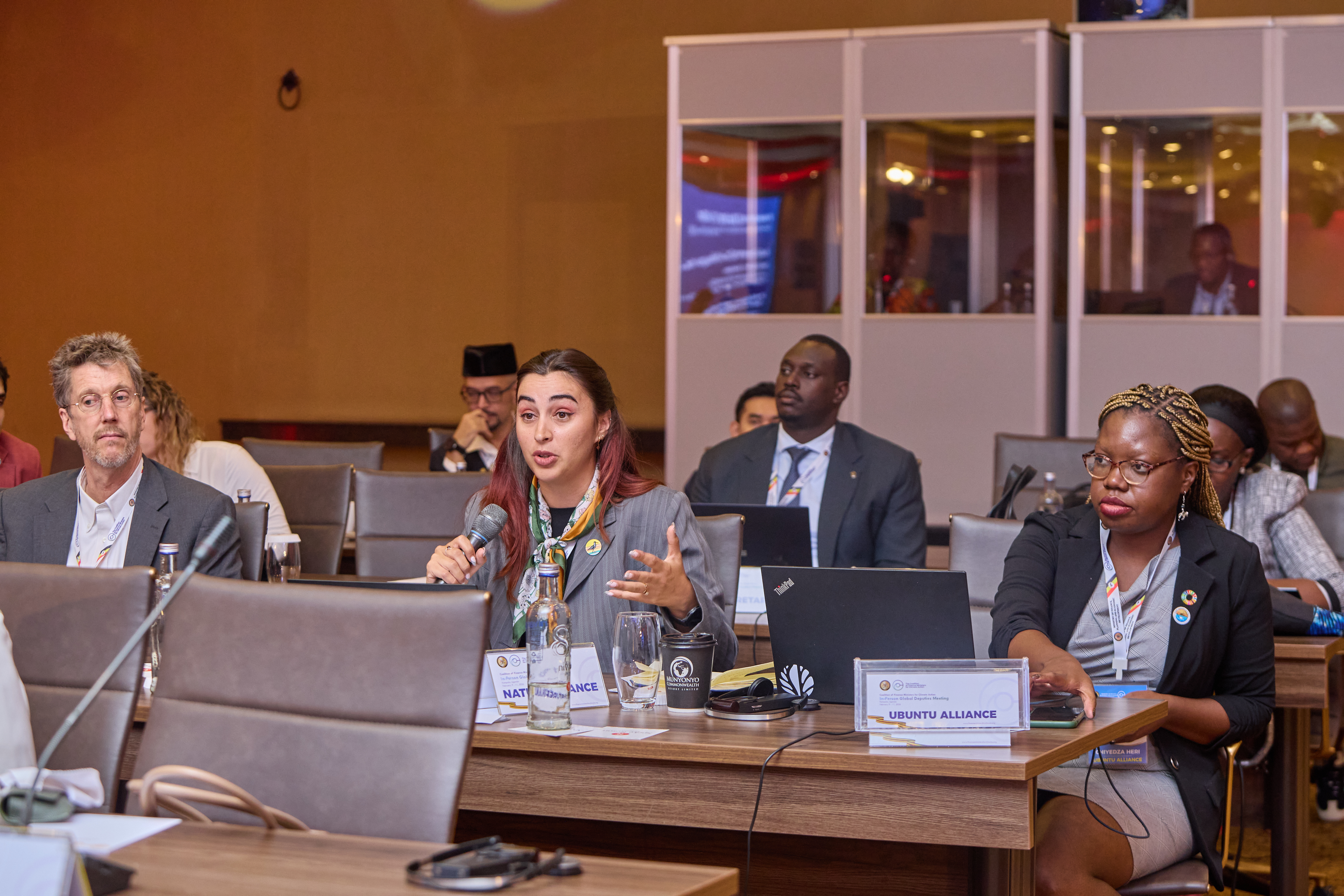 |
Day 2
On the second day of the meeting, Sam Koojo, Uganda’s Deputy Co‑Chair, introduced the Hon. Henry Ariganyira Musasizi, Minister of State for Finance, Planning, and Economic Development, Uganda, outlining the Coalition’s work and Uganda’s role as Co‑Chair. From Uganda’s perspective, the Coalition was presented as a platform that embeds climate action firmly within the core mandate of ministries of finance, supporting whole‑of‑government and whole‑of‑economy coordination.
In his remarks, the Minister reinforced the urgency of coordinated, finance‑led climate action and its centrality to economic policy.
“As Ministers of Finance, we are responsible for safeguarding national budgets while creating pathways for sustained economic growth,” he said. “Climate change demands collective and decisive action — no country can tackle these challenges alone.”
The Minister highlighted how climate shocks are already straining public budgets, widening deficits, and affecting welfare, particularly in vulnerable economies. He stressed that debt vulnerabilities, climate‑related losses, and fiscal pressures are increasingly converging, underscoring the need for finance ministries to lead integrated responses that strengthen economic resilience while supporting long‑term growth.
Looking ahead, members reviewed the draft Strategic Work Program for 2026–2028, which proposes a streamlined, multi‑year framework focused on measurable outcomes, deeper regional engagement, and stronger coherence across existing workstreams, supported by cross‑cutting economic analysis. The direction was broadly endorsed, alongside calls for explicit attention to adaptation, nature and biodiversity, risk transfer mechanisms, and the political economy of reform.
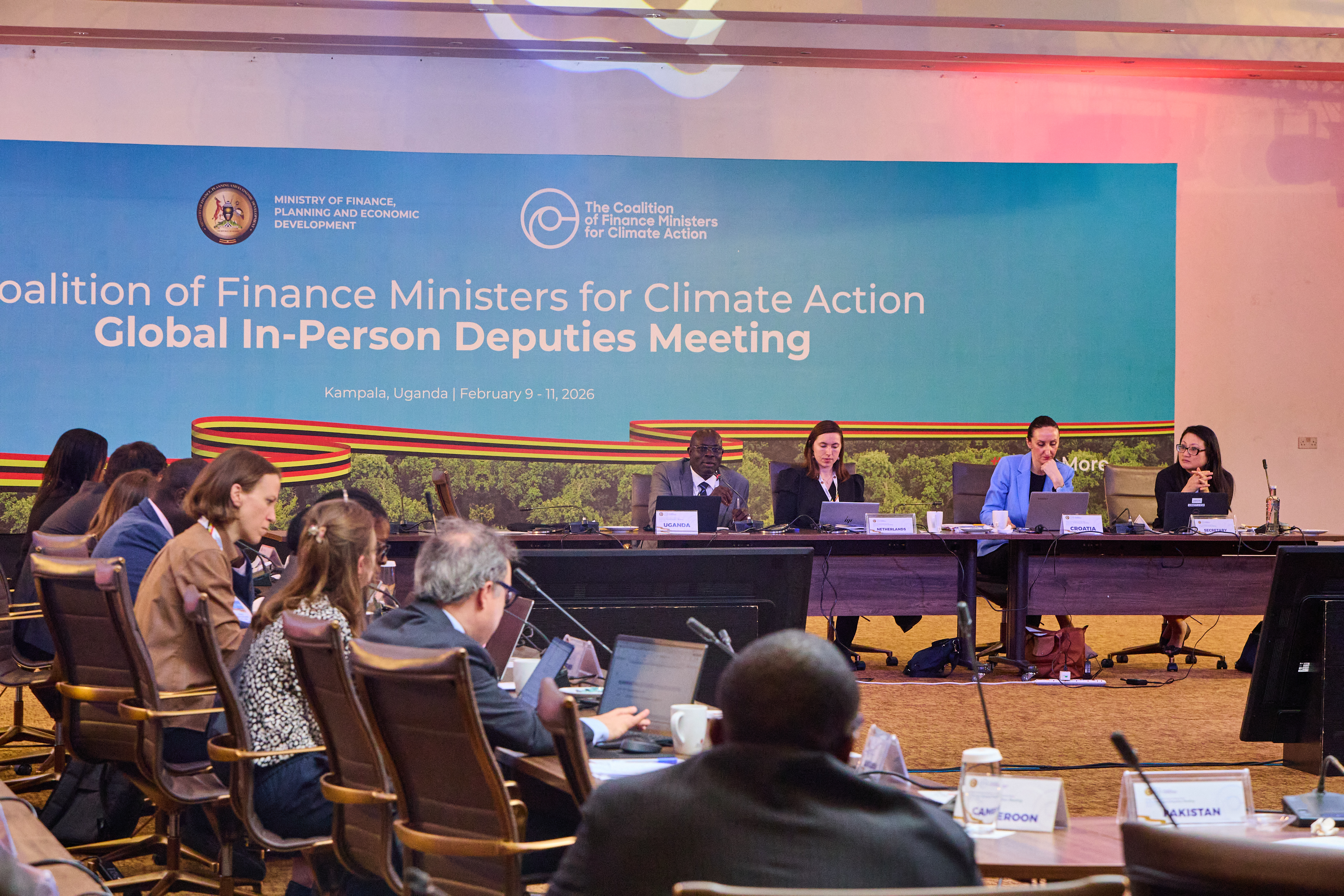 | The Coalition’s convening power at senior political and finance leadership levels was repeatedly highlighted as a unique asset, particularly in the current geopolitical environment. Participants noted that the Coalition provides a space for peer exchange among finance ministries, helping align climate objectives with economic priorities and translate global ambition into country‑level action. |
Building on the first day’s momentum, the Coalition member countries and partners reunited for a full day of deep-dive sessions to explore the policy themes that will shape our priorities for the next three years.
Across regions and themes, we explored how ministries of finance can drive a whole-of-economy transformation, align fiscal incentives, boost adaptation and resilience, and mobilize private finance at scale.
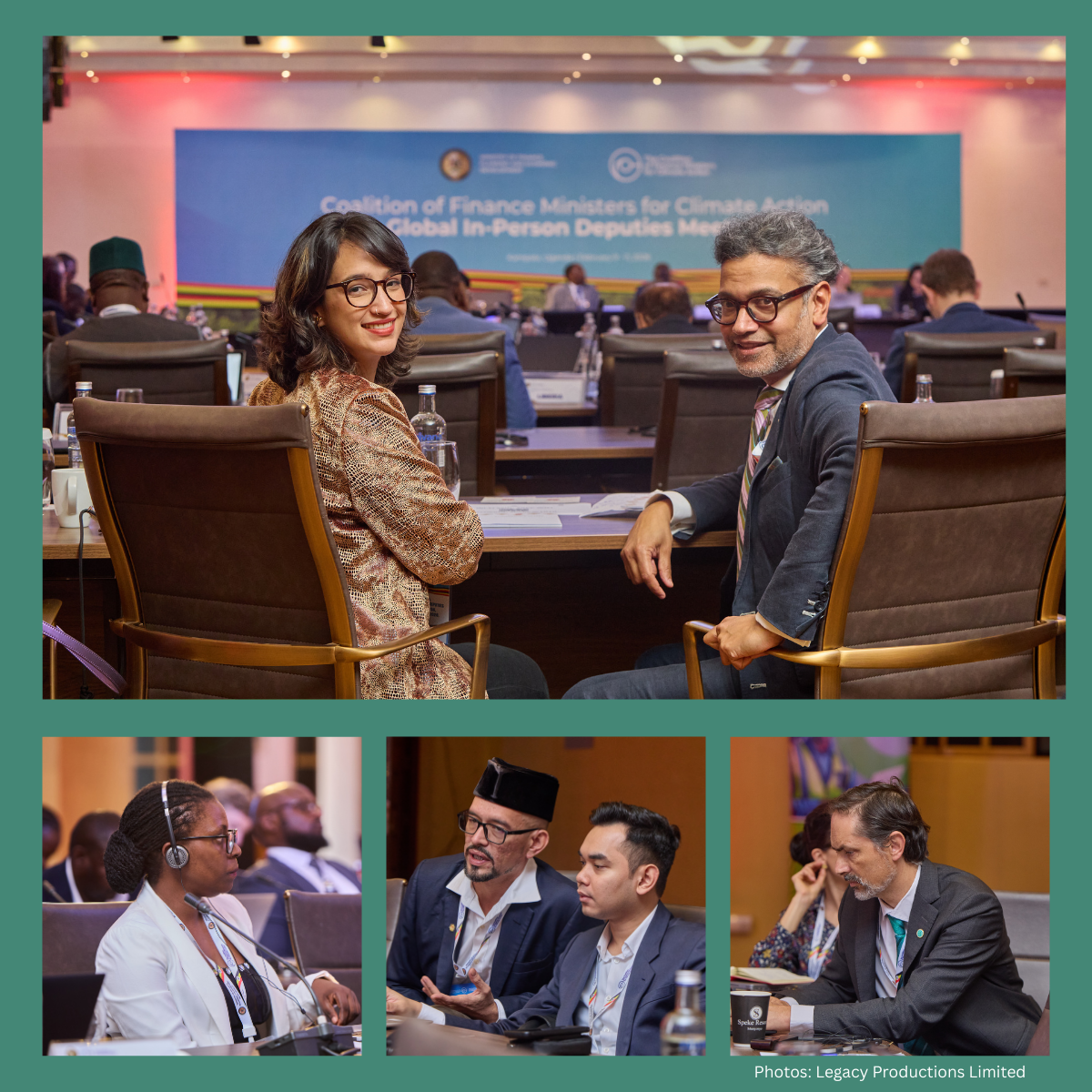
Ministries shared their experiences and identified how our collaboration can help them accelerate implementation in 2026 and beyond.
Day 3
Aligning on the way forward for 2026, the 3-day meeting concluded with member countries discussing the Coalition's long-term direction and considering our priorities for 2026.
Members focused on three core outcomes:
🔹 Global engagements: aligning our policy work with our contributions to international dialogues and identifying priority fora where the Coalition can add the most value.
🔹Member leadership: Continuing to strengthen the member-driven nature of the Coalition and its convening power, including within and between regions.
🔹 Political messages: Planning an impactful and engaging ministerial meeting at IMF/WB Spring Meetings 2026.
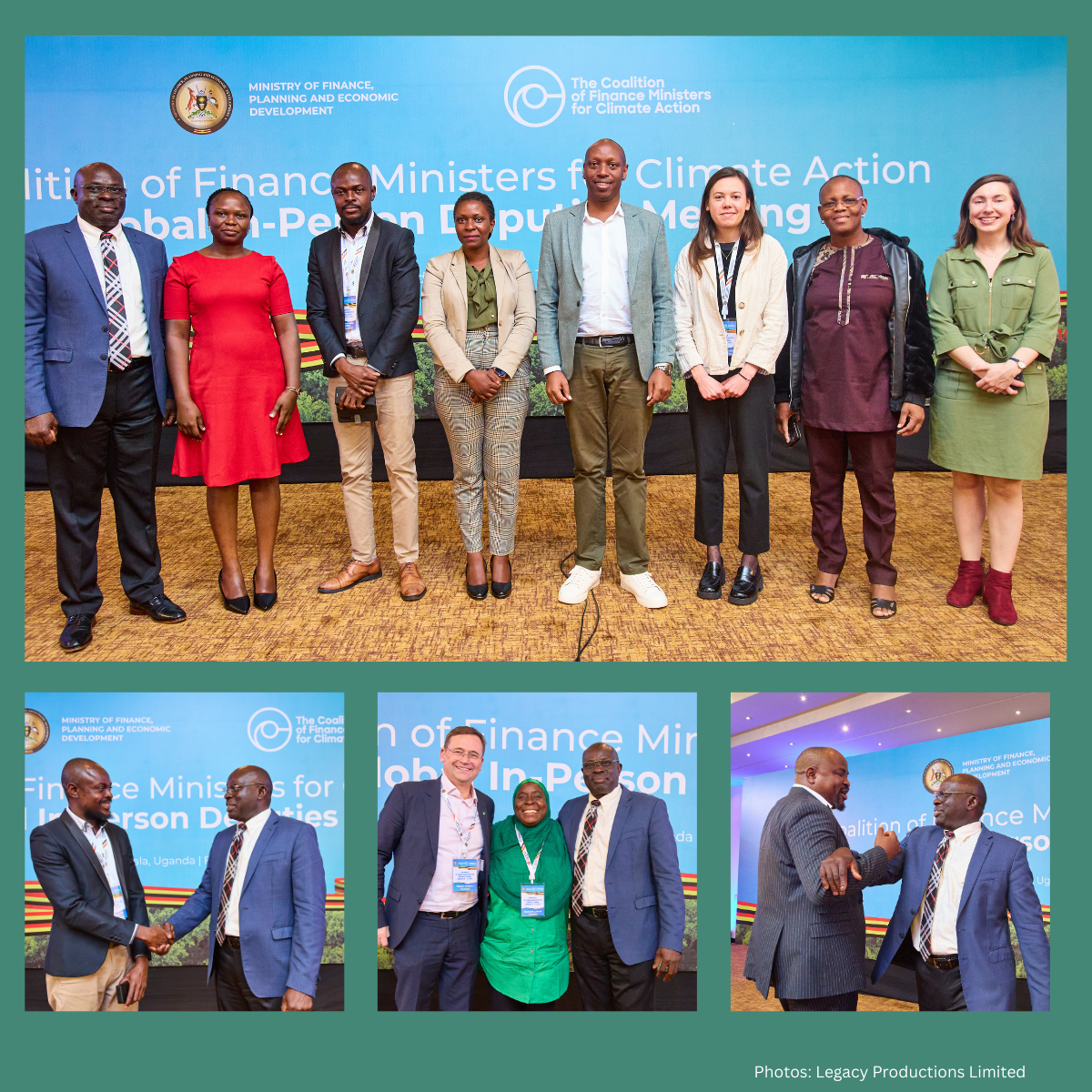
This Global Deputies Meeting will help reinforce the Coalition’s role as a unique platform enabling ministries of finance to lead the climate agenda through strengthened macro‑fiscal policies, coordinated action, and shared ambition.
As an added opportunity for knowledge sharing, Makerere University hosted a symposium on February 12–13 on Natural Accounting and Climate‑Sensitive Macroeconomic Modelling, open to all Coalition members. Our partner PAGE supported the event, titled: “Rethinking Growth in Africa’s Natural Resource Base”, linking global momentum from the Coalition's Deputies Meeting to this regional platform. The event drew policymakers, researchers, and development partners to address climate shocks, natural capital depletion, and the urgent need for climate-integrated economic policies.
Symposium
The symposium’s key outcome was the Kampala Statement of Intent, a call to action urging African universities, research institutions, and Ministries of Finance to integrate climate and natural capital into macroeconomic frameworks. It launches the “Africa Knowledge and Learning Community” under the Pan-African Finance Ministers Forum for Climate Action. Read more.
- Symposium photos